
How to Start Investing: A Beginner’s Roadmap
Investing can initially feel intimidating, but it’s one of the best ways to grow wealth and secure your financial future.
This guide will help you overcome your fear of investing and take those first steps confidently—even if you’re starting small.
Overcoming Fear of Investing
For many, investing brings up images of Wall Street traders or complicated charts. But you don’t need to be an expert or have much money to start. Thanks to modern tools and strategies, anyone can invest.
Investing isn’t about getting rich quickly but building wealth over time. Even starting with as little as £50/$50 a month can lead to significant growth, thanks to the magic of compound interest.
Why Invest?
Investing is essential for growing your money over the long term. Simply saving in a bank account may not be enough, especially when inflation erodes the value of your savings over time.
Compound Interest
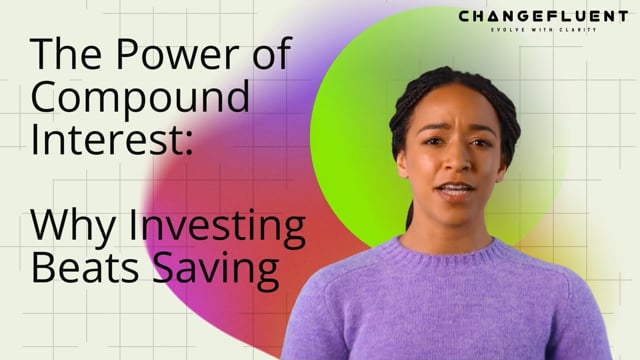
Your money grows faster when you earn returns on both your original investment and its generated returns.
For example, investing £1,000/$1,000 at a 7% annual return could grow to over £7,000/$7,000 in 30 years.
Beating Inflation
Inflation reduces the purchasing power of your money. Investing helps your wealth grow faster than inflation.
Achieving Financial Goals
Investing can help you save for big goals, like buying a home, funding education, or retiring comfortably.
Types of Investments Explained
There are many ways to invest, and understanding the options can help you choose what’s right for your goals and risk tolerance.
Stocks
What They Are: Shares of ownership in a company.
Potential Returns: High over the long term.
Risks: Prices can fluctuate significantly in the short term.
Best For: Long-term growth and those willing to accept higher risk.
Bonds
What They Are: Loans to governments or companies in exchange for regular interest payments.
Potential Returns: Lower but more stable than stocks.
Risks: Lower risk, though not completely risk-free (e.g., corporate bonds).
Best For: Conservative investors or those looking for stability.
ETFs (Exchange-Traded Funds)
What They Are: Funds that track a market index (e.g., S&P 500) and trade like stocks.
Potential Returns: Reflect the performance of the index or assets they track.
Risks: Moderate; diversified to reduce individual stock risk.
Best For: Beginners seeking diversification with lower costs.
Mutual Funds
What They Are: Pooled funds managed by professionals.
Potential Returns: Vary depending on the fund’s focus.
Risks: Moderate to high, depending on the fund type.
Best For: Those who want professional management and are willing to pay higher fees.
Risks vs. Returns
Investments with higher potential returns (like stocks) often have higher risks. Lower-risk investments (like bonds) offer more stability but smaller returns. Diversification—spreading your money across different types of investments—helps balance these risks.
How to Start
Getting started with investing has never been easier, thanks to online platforms that cater to beginners.
Freetrade.io
Freetrade provides commission-free trading with a focus on simplicity and transparency. It offers a range of stocks and ETFs, and its mobile app is designed for ease of use.
Freetrade is particularly appealing to UK investors seeking a straightforward investing experience.
Robinhood
Robinhood is a US-based platform offering commission-free trading of stocks, ETFs, and cryptocurrencies. It’s known for its easy-to-use mobile app and has recently entered the UK market, providing a straightforward option for investors seeking a simple trading experience.
Wealthify
Wealthify is a UK-based robo-advisor that simplifies investment management by creating portfolios aligned with your risk appetite. It offers a range of investment plans, including ISAs, general investment accounts, and junior ISAs. Wealthify is particularly appealing to those seeking a hands-off approach to investing, with a team of experts managing your portfolio.
Revolut
Revolut, known for its digital banking services, has expanded into stock trading. It offers commission-free trading of US stocks and plans to include UK and European stocks, as well as ETFs, starting in 2025. With a large customer base and a user-friendly app, Revolut is positioning itself as a competitive option in the trading market.
When choosing a platform, consider fees, investment options, and ease of use.
Setting Investment Goals and Strategies
Decide how much risk you’re comfortable with and whether you prefer hands-on (managing your own portfolio) or hands-off (using robo-advisors) investing.
Short-Term Goals (1–5 years)
Examples: Saving for a vacation or down payment.
Strategy: Focus on lower-risk options like bonds or cash-like investments.
Long-Term Goals (5+ years)
Examples: Retirement or growing wealth.
Strategy: Invest in stocks or ETFs for higher growth potential.
Common Mistakes to Avoid
Many beginner investors make avoidable mistakes. Learning about them can save you time, stress, and money.
Timing the Market
Trying to predict market highs and lows often leads to losses. Instead, focus on long-term investing and use strategies like dollar-cost averaging (investing the same amount regularly, regardless of market conditions).
Emotional Trading
Markets fluctuate, and it’s normal to feel nervous during downturns. Avoid selling in panic or chasing trends. Stick to your strategy.
Ignoring Fees
Even small fees can eat into your returns over time. Compare platforms and funds to find options with low fees.
Lack of Diversification
Putting all your money into one stock or sector increases risk. Diversify across different types of assets to reduce potential losses.
Actionable Steps to Start Investing Today
Educate Yourself: Read about investment options and strategies.
Choose a Platform: Research and sign up for one that fits your needs.
Start Small: Begin with an amount you’re comfortable with, even if it’s just £50/$50.
Be Consistent: Invest regularly, review your goals, and adjust your strategy over time.
Remember, yesterday was the best day to start investing, and today is the second-best day.
Take the first step toward building your financial future!